


Canine cooling vest
Factory-direct canine cooling vest for summer walks, travel & outdoor breaks—breathable mesh, reflective trim, OEM/ODM custom colors, sizes, packaging.
Beat summer heat complaints and “too hot to walk” season returns with a performance-first canine cooling vest designed for
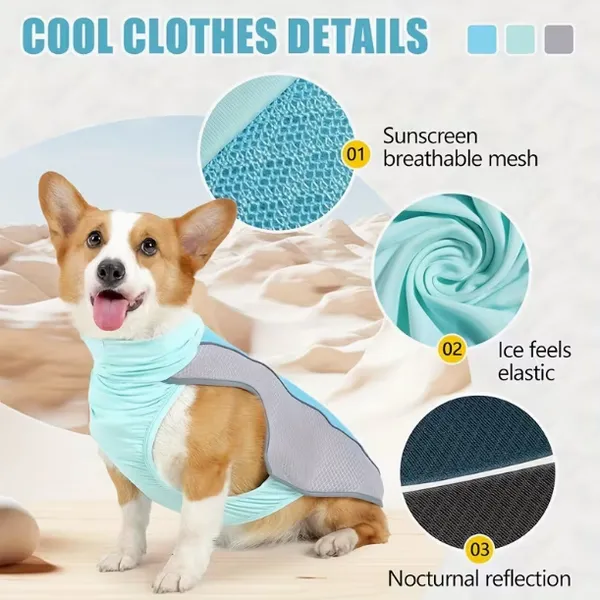
real outdoor use and high-conversion listings. This lightweight pullover cooling top combines a sunscreen breathable mesh body,
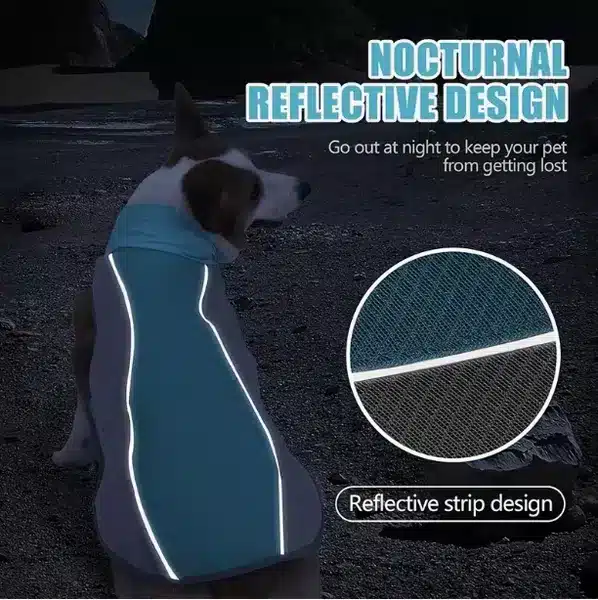
ice-feel elastic stretch zones for easy dressing, and a nocturnal reflective strip layout that reads clearly in night-walk photos.
Built for pet retailers, outdoor distributors, groomers, training clubs, and private-label brands that need stable bulk supply and fast seasonal replenishment.
- Category fit: cooling dog vest / summer dog shirt / breathable dog cooling jacket for warm-weather assortments.
- Wear method: pullover design for quick on/off (ideal for stores doing fitting demos).
- Visibility add-on: reflective strip design to support evening walk safety merchandising.
- OEM/ODM ready: sizes, colors, logo labeling, packaging, and fabric upgrades supported for B2B programs.
Why This Canine Cooling Vest Converts in B2B Channels
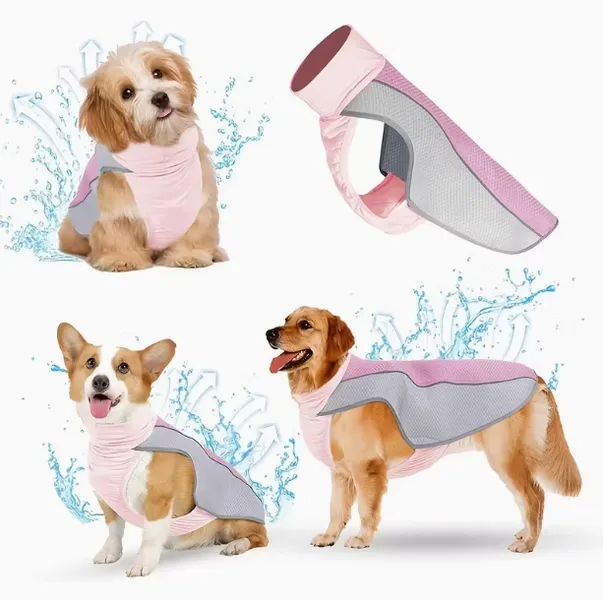
- Cool & breathable feel for summer: mesh-forward structure improves airflow and helps reduce “overheating” complaints during
walks, patio time, camping, and travel days. - Comfort stretch = fewer fit disputes: the ice-feel elastic fabric section supports movement at shoulders and neck area,
helping reduce “tight at the neck” feedback when sized correctly. - Nocturnal reflective design: reflective strip placement supports visibility in low-light scenes—useful for
marketplace thumbnails and outdoor lifestyle shots. - Easy care for repeat use: machine-wash friendly construction supports frequent summer wear cycles.
Recommended Use Scenarios
- Daily hot-weather walks: morning/evening strolls, neighborhood training, urban sidewalks.
- Outdoor lifestyle: camping, hiking rest stops, patio cafés, road trips, beach shade areas.
- Service & working dogs (summer duty): short outdoor tasks where breathable comfort matters.
- Retail & content: “summer safety + night visibility” short videos and photo sets.
Product Specifications
| Item | Details |
|---|---|
| Product Keyword | Canine Cooling Vest |
| Season | Summer (lightweight cooling wear) |
| Breed Range | Small / Medium / Large |
| Main Wearing Method | Pullover |
| Main Fabric / Cover | 100% Polyester |
| Filling Material | 100% Polyester |
| Weaving Method | Woven |
| Care Instruction | Machine Wash |
| Visibility Detail | Reflective strip design (night-walk visibility) |
Size Chart (cm/in)
To reduce returns, we recommend measuring chest circumference first, then back length and neck. If your dog is between sizes,
choose the larger size for comfort during movement.
| Size | Back Length (cm/in) | Chest (cm/in) | Neck (cm/in) | Weight (kg/lb) |
|---|---|---|---|---|
| S | 37.7 / 14.8 | 54 / 21.3 | 38 / 15 | 5–9 / 11–19 |
| M | 42.5 / 16.7 | 65 / 25.6 | 41 / 16 | 9–13 / 19–28 |
| L | 48.8 / 19 | 74 / 29 | 48 / 18.9 | 13–20 / 28–44 |
| XL | 54 / 21.3 | 82 / 32.3 | 49 / 19.3 | 20–30 / 44–66 |
OEM / ODM Program
If you’re building a summer cooling line, this canine cooling vest can be supplied as-is for wholesale, or developed into a differentiated
private-label SKU. Below is how we support B2B partners from sampling to repeat production.
- Production capability & capacity assurance:
scalable sewing lines for seasonal peaks; capacity planning based on your size run and color ratio, with reorder scheduling support for hot-weather campaigns. - MOQ & flexibility:
standard wholesale MOQ available; flexible mixed-size/color trial orders can be discussed for first-time market tests (helps reduce initial inventory risk). - Quality control & consistency:
pre-production approval, inline inspection, and final inspection before shipment; size and workmanship checks aligned to your confirmed sample. - Compliance & testing support:
material compliance options for target markets (e.g., REACH / CPSIA / CA Prop 65 where applicable) and third-party testing support (SGS/Intertek/QIMA) upon request. - Customization capability:
logo (silicone patch/heat transfer/label), reflective layout adjustment, fabric weight upgrades, color matching (Pantone), and packaging customization (UPC/EAN, FNSKU). - Sample & development workflow:
artwork/tech-pack review → material confirmation → sample build → fit feedback → pre-production sample (PPS) → bulk production. - Delivery & logistics support:
export packing, carton marking, and shipping coordination under FOB terms; can support buyer-forwarder pickup or consolidated shipments. - Factory stability:
repeatable BOM control and batch tracking for fabric/reflective trims to reduce color/hand-feel drift across reorders. - Communication & response:
dedicated merchandiser support for sampling updates, production photos, and packing confirmations to keep timelines predictable. - Risk control & contract terms:
clear spec confirmation (size chart, tolerance targets, labeling, packaging) and sample-based production agreement to reduce dispute risk.
Customization Ideas
- Color options: common choices include light blue, navy, gray, black, neon green (custom Pantone matching supported).
- Branding: woven label at side seam, heat-transfer logo on back panel, or reflective logo mark for night visibility.
- Packaging: OPP bag + size sticker, color box, hangtag set, barcode labels (UPC/EAN), Amazon FBA labeling (FNSKU) if needed.
- Functional upgrades: stronger reflective tape grade, softer neck edge binding, higher-density mesh, or added chest coverage for specific breeds.
Real-World Buyer Notes
- Retail feedback focus: buyers like that it looks clearly “cooling / summer” in photos, and the reflective lines add an easy safety story for listings.
- Common customer comment: “easy to put on” pullover structure is a plus for quick try-on content and in-store fitting.
- Merchandising tip: bundle with collapsible water bowls or cooling bandanas for higher AOV in summer displays.
Buyer Concern Clarifications (Cooling / Fit / Durability)
| Buyer Concern (Cooling Vest) | Clear Answer (Honest +amp; B2B-Friendly) |
|---|---|
| Does it really cool? What’s the cooling mechanism? Evaporative cooling (needs water) vs “cool-touch fiber” (no water) |
This canine cooling vest is positioned as a cool-touch + breathable summer vest. In real use, there are two “cooling experiences”:
A) Cool-touch feel (no wetting required): the “ice-feel elastic” fabric is designed to feel cooler to the touch than regular polyester, helping improve comfort when you first put it on. Key point: In hot & dry climates, evaporative cooling typically performs better. In humid, muggy climates, evaporation is slower, so the cooling effect is usually weaker and shorter. |
| How long to wet/soak? Dry vs humid performance? Duration + re-wetting frequency |
How to activate evaporative cooling: • Fast method: rinse/splash water on the vest for 10–20 seconds, then gently wring so it’s damp-not-dripping. • Soak method: soak for 30–60 seconds if you want deeper wetting, then wring thoroughly before wearing.Typical cooling duration (depends on weather & airflow): • Hot & dry + good airflow: often 20–40 minutes before re-wetting is helpful. • Humid & low airflow: often 10–20 minutes and the cooling sensation may feel milder.Do you need to re-wet? Yes—if you want continued evaporative cooling outdoors, you will usually re-wet as it dries. Many users refresh with a water bottle during breaks. |
| After wetting, will it soak fur / car seats / floors? Dripping risk & indoor usability |
This depends on how much water you add. If used correctly, it should be damp, not dripping.
To minimize “mess” complaints: Honest expectation: If customers soak it heavily and do not wring it out, it can wet fur and surfaces—this is a common reason some consumers skip repeat purchases, so clear care instructions help protect your reviews. |
| Is sizing accurate? High-return risks: tight neck / armpit rubbing / too loose shifting |
With pullover + higher-neck styles, fit guidance is critical to reduce returns.
Best measurement priority: Chest first, then neck and back length. If between sizes, choose the larger size for easier head-through and more comfort at the armpits. Top risk points & prevention: Body-type note: For short-legged, broad-chested, or stocky builds (e.g., Corgi/Frenchie), a chest-first selection and “try-one-size-up” strategy reduces complaints. For B2B programs, we can support fit adjustments (neck opening, chest allowance) under OEM/ODM. |
| High collar / pullover worries: can the head pass through? will it choke? |
A pullover design is fast once sized correctly, but it does require adequate neck/head room.
Comfort rule: after wearing, you should be able to fit two fingers at the neck area without strain (general pet apparel guideline). For private label orders, we can offer an option to adjust neck opening elasticity or edge binding softness to match your target breeds. |
| Will it reduce airflow and feel hotter? Breathability vs “covered back panel” |
This style is designed with a breathable mesh zone to improve airflow, but any garment can feel warm if it is too tight or used in extreme heat.
When it feels best: light activity + airflow (walking, outdoor breaks, shaded areas). For your product page, we suggest adding a clear usage note: provide water breaks, avoid midday heat, and monitor panting. Proper expectations reduce negative reviews. |
| Skin sensitivity / safety concerns: allergy, itching, dye transfer, hard seams |
The main material is polyester. Most dogs tolerate it well, but sensitive-skin pets can react to any textile depending on friction, fit, and sweat.
Risk reduction tips for B2B: Dye transfer: as with most dyed fabrics, improper washing or strong friction when wet may cause slight color bleed on first washes. Pre-wash guidance helps reduce complaints. |
| Durability: washing → stretching, pilling, reflective strip peeling |
Durability depends on washing conditions and dog behavior (scratching/chewing).
Care to protect lifespan: Snag/tear risks: mesh can snag on sharp branches, rough concrete edges, or if a dog frequently scratches at clothing. For high-risk channels, we can discuss mesh density upgrades under OEM/ODM. Reflective trim: designed for repeated folding and washing under normal conditions, but extreme heat drying and harsh detergents can shorten reflective performance—clear care labels reduce disputes. |
| Hook-and-loop / elastic edge after washing? | This specific style is pullover-based; if your production version includes hook-and-loop or elastic edging, typical concerns are valid.
Best practice: close any hook-and-loop before washing and use a laundry bag to prevent lint buildup and reduce abrasion. Elastic edges last longer with low-heat drying and gentle cycles. For B2B orders, we can align the trim grade to your price tier and expected wash cycles (standard vs upgraded). |
| Is the reflective effect “actually useful”? brightness, distance visibility |
Reflective strips provide visibility when illuminated by a light source (car headlights, flashlights). They are a passive visibility feature, not a powered light.
How to set honest expectations: If your brand needs a defined reflective grade, we can support material selection and verification under OEM programs. |
| Reflective placement: will leash/harness block it? |
Placement is designed to be visible along the body line. However, any harness/leash can partially cover reflective zones depending on style and dog posture.
Retail tip: include a simple photo showing the vest worn with a harness to reduce misunderstanding. For OEM/ODM, reflective layout can be adjusted if your channel commonly uses certain harness types. |
| Scenario fit: daily walks vs long outdoor trips |
Best positioned for daily summer walks, travel days, outdoor breaks, and light adventures where comfort and visibility are key.
For long-duration hikes/camping in high heat, it can help when paired with water breaks + shade management. Cooling duration depends on re-wetting and airflow, so for extended outdoor use, customers should plan to refresh with water. |
| Harness compatibility: can it be worn with a harness/leash? |
In most cases, it can be worn under or over a harness depending on harness structure and sizing.
Best practice: choose a harness with adjustable straps; avoid over-tight layering. For brands that need guaranteed compatibility, we can develop a version with optimized cut lines under ODM. |
| Cleaning & hygiene: hard to wash? odor retention? |
It is designed for machine washing. To reduce odor retention (sweat, outdoor smell): • Wash promptly after heavy use. • Use a gentle pet-safe detergent and rinse well. • Air-dry fully before storage.If customers keep it damp and bundled, any fabric can develop odor—clear “dry fully” instructions reduce mold/odor complaints. |
| Drying time & mildew risk after absorbing water | Drying time depends on humidity and airflow.
Typical guidance: hang in a ventilated area; in humid environments, drying takes longer, so customers should avoid storing it damp. For B2B: adding a hangtag with “wring out + hang dry” instructions significantly reduces post-purchase complaints about mildew smell. |
FAQ — Canine Cooling Vest
Q1: Can you offer mixed-size assortment packs for retail testing?
A: Yes. We can build mixed-size ratio packs (e.g., S–XL assortments) so you can test fit and demand with lower inventory risk. Size ratios can be adjusted based on your target breeds and channel data.
Q2: How does this canine cooling vest actually cool—evaporative cooling or cool-touch fabric?
A: It supports both use experiences: (1) cool-touch feel from the “ice-feel elastic” fabric (no water needed for touch comfort), and (2) stronger evaporative cooling when the vest is lightly wetted and exposed to airflow outdoors.
Q3: Do we need to wet it first? How long should we soak, and how long does cooling last?
A: For noticeable evaporative cooling, wet the vest for 10–20 seconds (quick rinse) or soak for 30–60 seconds, then wring until damp-not-dripping. Cooling duration depends on climate and airflow: typically 20–40 minutes in hot/dry conditions and 10–20 minutes in humid conditions. Re-wet as it dries.
Q4: Will “wet use” make the dog’s fur, car seats, or floors wet?
A: If users soak heavily and don’t wring it out, yes—surfaces can get wet. To reduce complaints, advise “rinse + wring” so the vest stays damp rather than dripping. For car/sofa use, many customers prefer light misting or dry-use (cool-touch + breathable wear).
Q5: Is the sizing accurate? What are the biggest return-risk points for a pullover/high-neck style?
A: The key is chest-first measuring. High return risks are usually neck/head entry too tight, armpit rubbing, or too loose shifting. If between sizes, choose the larger size to improve head-through comfort and reduce tightness at the armpit zone.
Q6: Is it comfortable—will it choke the neck or restrict movement?
A: When sized correctly, the stretch zone helps comfort. A practical check is a two-finger space at the neck area. If a dog shows resistance, it’s usually a sizing/fit selection issue rather than a defect; OEM fit adjustments (neck opening / binding softness) can be developed for your breed focus.
Q7: Will it feel “more stuffy” and trap heat during exercise?
A: Breathability is improved by mesh zones, but any garment can feel warm if it’s too tight or used during peak heat. We recommend positioning it for morning/evening walks, shaded outdoor breaks, and travel stops, plus clear “water + rest” guidance to protect reviews.
Q8: Is the fabric safe for sensitive skin? Will it itch, cause allergies, or stain fur?
A: Main material is polyester. Most dogs tolerate it well, but sensitive-skin dogs can react to friction from any fabric. Recommend short first wear and correct sizing. To reduce dye-transfer concerns, advise a first gentle wash; for private label, we can support compliance/testing requests and softer trim upgrades.
Q9: How durable is it—will it pill, stretch out, snag, or have reflective trim issues after washing?
A: For best durability, machine wash on gentle cycle (laundry bag recommended) and avoid high-heat drying. Mesh can snag if used in rough environments or by scratchy/chewing dogs; reflective trim lasts best with gentle care and no high heat.
Q10: Does the reflective strip “really work” at night? Is placement effective?
A: Reflective trim is a passive visibility feature (works when light hits it—headlights/flashlights). Effect varies with angle and distance. Placement is designed along the body line; however, some harness/leash styles can partially cover it—showing a “vest + harness” photo helps reduce misunderstandings.
Related products
$10.00
$10.00
$10.00
Price range: $10.00 through $1,300.00
$10.00
$10.00